SE19 estate rubbish collection times and local tips
Posted on 07/08/2026
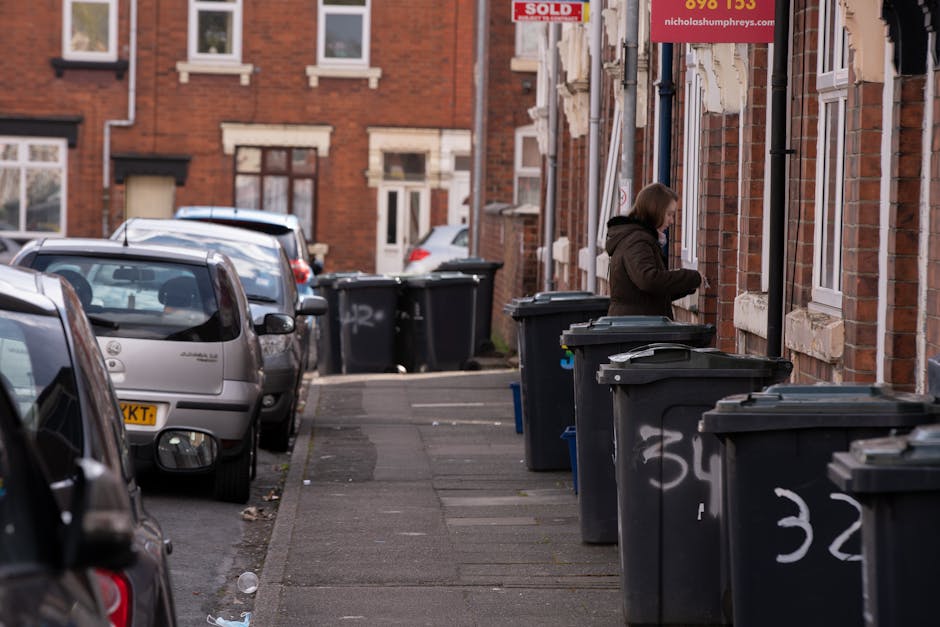
If you live in SE19, you already know rubbish day can be oddly important. One missed collection can mean bags sitting by the bin store, wheels in the way, a smell that gets worse by lunch, and a bit of neighbourly tension nobody really wants. This guide to SE19 estate rubbish collection times and local tips is here to make the whole thing easier: what to expect, how estate collections usually work, and the small local habits that keep everything moving smoothly.
Truth be told, rubbish collection on estates is rarely just about "put it out and forget it". Timing matters, access matters, and a few simple habits can save you hassle. Below, you'll find a clear breakdown of the process, a practical checklist, common mistakes, and sensible local tips for keeping your estate tidy without overthinking it.
Why SE19 estate rubbish collection times and local tips Matters
Estate rubbish collection looks simple from the outside. In practice, it affects daily life in a very real way. If the bins are full, residents start leaving bags nearby. If collection happens too late in the day, stray litter can blow around. If bulky items are dropped at the wrong time, the refuse crew may not be able to get near them safely. That is where good timing and local know-how make a difference.
SE19 has a mix of housing styles, communal bin areas, managed blocks, and older properties with less straightforward access. That means collection routines can vary from one estate to the next. A block near a narrow service road has different needs from a larger development with a dedicated bin enclosure. Even the weather can change the pattern. A wet Monday morning, for example, tends to bring more hurried bin runs and more mess around the base of the bins.
It also matters because a tidy estate is easier to live in. People notice when communal areas are looked after. Visitors notice too. And if you are trying to sell, rent, or simply keep your place pleasant, rubbish management is one of those small things that quietly shapes the whole feel of the street.
For residents who want a broader picture of local living in the area, the community perspective in life in Crystal Palace from resident feedback is a useful companion read. It gives context to what daily life actually feels like here, not just the postcard version.
Expert summary: good estate rubbish collection is less about one perfect rule and more about consistency, access, and courtesy. If residents, caretakers, and collection teams are all working from the same playbook, everything gets easier. Simple, but true.
How SE19 estate rubbish collection times and local tips Works
Estate collections usually follow a set routine, but the routine can differ depending on the type of property and who manages the waste area. In general, there are three moving parts: when waste is put out, when it is collected, and how easy it is for crews to access it.
Typical estate collection flow
- Residents place waste in the correct bins or storage area. This may be a shared bin store, an outdoor container area, or a designated collection point.
- Waste is prepared before the scheduled collection time. Bags are tied, recycling is separated, and bulky items are only placed out if they are allowed.
- The collection crew empties bins or removes waste. This may happen early morning, later in the day, or during a specific slot arranged for the estate.
- The area is left clear afterwards. Any spillages, overfilled bins, or incorrectly placed items need attention so the next collection is not delayed.
Collection times are usually arranged to suit access and traffic conditions. On some estates, early visits are best because bin stores are easier to access before parked vehicles build up. On others, a mid-morning slot works better because caretaking teams can check the area first. There is no universal "best time"; it depends on the site. That's the annoying bit, but also the useful bit.
Local tips matter because they help you work with the collection schedule instead of against it. For example, if the bin store is tight on space, it helps to flatten cardboard before collection day rather than leaving large boxes propped beside the bins. If recycling bins are often contaminated, a clear reminder in the communal area can make a surprising difference. People do read signs. Sometimes.
When people need a more formal waste solution for a property clean-up or a one-off clear-out, it can help to look at the wider service options on services overview, or the more specific support offered through rubbish collection in Crystal Palace and waste removal in Crystal Palace.
Key Benefits and Practical Advantages
Getting estate rubbish collection right is not just about neatness. It affects day-to-day convenience, safety, and even how calm the estate feels. The benefits are practical, but they are also social. You can usually tell when a block is working well.
- Less overflow and less mess. When items are placed out at the right time, bins are less likely to spill over and attract pests or windblown litter.
- Better access for residents and crews. Clear routes mean collection teams can do the job without awkward manoeuvring, and residents can still reach the bin store safely.
- Fewer complaints between neighbours. A shared routine reduces the usual grumbles about smells, blocked doors, or bags being left too early.
- Improved recycling performance. When residents know what belongs where, contamination drops and recycling becomes more effective. Not glamorous, but important.
- Lower risk of missed collections. If bins are presented correctly and on time, crews are less likely to skip them because of access issues.
There is another benefit that often gets overlooked: predictability. On a busy estate, predictability is gold. It means residents know what to expect on Tuesday morning, caretakers know what to check on Monday evening, and nobody has to guess whether a bulky item is going to sit there for three days. One small routine, lots of stress avoided.
If your estate often deals with larger one-off clear-outs, it may be worth learning more about house clearance in Crystal Palace or even bulky waste removal options in Gipsy Hill when residents need extra support. Different job, same principle: timing and access make all the difference.
Who This Is For and When It Makes Sense
This topic is useful for more people than you might think. Yes, it is obvious for residents in flats and estates, but it also matters for landlords, managing agents, caretakers, and anyone organising a move or a clear-out. If waste is shared, the timing affects everyone.
- Residents in communal blocks who want to avoid missed pickups or bin-store chaos.
- Landlords and letting agents who need a clean handover between tenancies.
- Managing agents looking for a smoother routine and fewer complaints.
- Caretakers and site staff who often end up dealing with the practical side.
- Families and busy households that produce more waste during weekends, renovations, or school holidays.
It makes sense whenever a property creates more waste than the normal household wheelie bin can handle. That could be after a kitchen clear-out, a garden project, a loft tidy, or the sort of life event where you suddenly notice how many broken chairs you have. Funny how that happens.
For those moving into the area or considering a new home, local context is helpful too. The guides on the Crystal Palace neighbourhood handbook and buying homes in Crystal Palace both help explain how day-to-day practicalities fit into local living.
Step-by-Step Guidance
If you want to manage estate rubbish better, keep the process simple. Most problems come from vague habits rather than major failures. Here is a practical approach you can actually use.
- Check the estate's collection pattern. Find out whether waste is picked up on fixed days, specific time windows, or only when bins are presented in a certain way.
- Separate general waste and recycling early. Doing it the night before tends to work better than trying to sort through a bag in a rush at 7.45 a.m.
- Break down bulky packaging. Flatten boxes, squash containers where appropriate, and tie bags securely so they are easier to handle.
- Put waste out at the right time. Too early can block shared spaces; too late can mean the crew has already passed. Timing is the whole game.
- Keep access routes clear. Don't leave bikes, prams, or shopping trolleys in front of bin doors if they can be moved safely.
- Report recurring problems quickly. If a bin is damaged or a collection is repeatedly missed, escalate it rather than hoping it sorts itself out.
- Book a separate collection for anything unusual. Sofas, mattresses, builders' debris, and garden material often need a different approach.
A simple rule helps here: if an item looks awkward for one person to carry, it probably needs more planning than the standard bin routine. That does not mean panic. It just means pausing before it becomes a shared problem.
Where estates are dealing with renovation waste or heavy materials, it may be more sensible to use a dedicated service such as builders waste disposal in Crystal Palace. Garden-heavy properties may benefit from garden waste removal in Crystal Palace instead. Different waste, different route. Simple enough.
Expert Tips for Better Results
A few small habits can make estate rubbish collection noticeably smoother. These are the kinds of things that tend to separate a well-run bin area from a perpetually messy one.
- Set a "pre-collection" habit the evening before. A quick five-minute check can prevent the usual morning scramble.
- Use clear labels where there is shared storage. Even basic signs for recycling, food waste, and general waste can reduce confusion.
- Watch for pinch points. If the bin store gets crowded when only one bay is open, that is where overflow will start. That one spot, every time.
- Keep a note of recurring miss patterns. If the same side of the estate is repeatedly missed, the issue may be access or presentation, not just luck.
- Communicate in plain language. "Please flatten boxes" works better than a long paragraph most people won't read.
Another useful tip: think about peak household behaviour. In many estates, the heaviest waste period is after Sunday evening or just before a new working week starts. If your site allows flexible presentation, use that to your advantage. A tidy bin store at 8 a.m. looks very different from the same area at 8 p.m. after everyone's had a clear-out. The bins, sadly, never lie.
For local residents who care about greener disposal habits, the page on recycling and sustainability is a good fit alongside these practical tips. It complements estate collection habits with a wider view of waste reduction and better sorting.

Common Mistakes to Avoid
Most estate waste problems are preventable. They are rarely dramatic, just irritating. Still, they add up.
- Putting waste out too early. This is one of the quickest ways to make a shared space untidy before collection day even begins.
- Leaving loose items beside bins. Loose rubbish gets blown, scattered, or ignored. It also tends to look worse than the actual volume suggests.
- Mixing recycling with contaminated waste. A single wrong item can make a whole bin less useful. Annoying, but common.
- Assuming bulky items are fine "for now". Sofas and large furniture do not magically disappear. They just become someone else's headache.
- Blocking access routes. Even a partly blocked path can delay collection or create safety issues for residents and crews.
- Ignoring repeated issues. A small collection problem today can become a bigger management issue next month if nobody acts.
There is also a subtle mistake people make: they treat all waste as if it works the same way. It doesn't. Food waste, packaging, household rubbish, garden material, and construction debris each have their own handling expectations. Mixing them up is where the mess starts. Literally.
If an estate is struggling with repeated overflows or one-off clearances, it can be worth looking into waste removal support in Crystal Palace rather than trying to force everything into standard communal bins.
Tools, Resources and Recommendations
You do not need a complicated system to stay on top of estate rubbish. A few basic tools and habits are enough for most households and small blocks.
| Tool or resource | Best use | Why it helps |
|---|---|---|
| Simple bin labels | Shared bin stores | Reduces confusion and keeps recycling separate |
| Calendar reminders | Households and caretakers | Keeps collection timing front of mind |
| Heavy-duty sacks | General waste and tidy-outs | Less risk of split bags and spillages |
| Flattening knife or box cutter | Cardboard and packaging | Makes bulky packaging easier to store and remove |
| Dedicated clearance service | Bulky items or large clear-outs | Stops oversized waste from blocking communal space |
A practical recommendation: keep one household bin bag or waste caddy ready specifically for "collection day sorting". That way, small bits of packaging and recyclables do not wander around the flat all week. It sounds trivial, but in a busy home it helps more than you'd think.
If you are comparing support options, the pricing and quotes page can help you understand how formal waste help is approached, while about us, insurance and safety, and terms and conditions are worth checking for trust and process details.
Law, Compliance, Standards, or Best Practice
With estate rubbish collection, the key point is not to overcomplicate the legal side, but to respect the basics of safe and responsible waste handling. In the UK, waste must be stored and removed in a way that avoids nuisance, contamination, and avoidable risk. On communal estates, that usually means clear presentation, proper separation where required, and prompt removal of anything unsuitable for routine bins.
Best practice usually includes the following:
- Do not obstruct shared access routes. Fire exits, footpaths, and bin-store entrances need to stay usable.
- Keep waste contained. Loose rubbish is more likely to spread and create hygiene problems.
- Separate materials sensibly. Recycling, food waste, and bulky waste should not be thrown together.
- Use licensed, suitable help for larger jobs. Estate teams and residents should avoid leaving waste with anyone who cannot clearly handle it responsibly.
- Follow site rules where they exist. Managing agents often set collection windows or presentation rules for a reason.
In plain English: if waste is difficult, heavy, sharp, wet, or too large for the regular routine, treat it as a separate task. That is safer for everyone and usually quicker in the end. One quick fix now can prevent a much messier problem later.
For residents who want to understand the operator side a little better, the pages on modern slavery statement, payment and security, cookie policy, and privacy policy support a more trust-focused decision-making process, even if they are not about bins directly.
Options, Methods, or Comparison Table
Not every rubbish problem on an estate should be handled the same way. The right method depends on volume, timing, and whether the item belongs in ordinary household waste at all.
| Method | Best for | Pros | Limits |
|---|---|---|---|
| Regular estate bin collection | Everyday household waste | Convenient, familiar, usually low effort | Not suitable for bulky or heavy items |
| Extra communal bin management | Busy blocks and shared spaces | Helps prevent overflow and access problems | Needs cooperation from residents and caretakers |
| Bulky waste pickup | Furniture, mattresses, awkward items | Removes large items without clogging bin stores | Requires planning and correct booking |
| Specialist clearance service | House moves, renovations, large clear-outs | Fast, more comprehensive, less strain on residents | Usually more involved than standard collection |
If your estate is near high-footfall local spots, the pressure on bin areas can be higher than expected. A useful example is the local guidance around Crystal Palace Park rubbish removal services near SE19, where public movement and regular clean-up needs create extra timing considerations. Similarly, a street-level clear-up guide like the Westow Street rubbish clearance guide shows how location can shape the right approach.
Case Study or Real-World Example
Here's a realistic estate scenario. A mid-sized SE19 block with shared bins starts having trouble every Sunday night into Monday morning. Recycling bags are being put out too early, cardboard is left beside the bins, and one resident keeps leaving flat-pack boxes without breaking them down. By Monday afternoon, the bin store is half full before the collection crew even arrives.
Instead of trying to solve it with a single complaint, the managing agent introduces three small changes:
- a simple reminder notice with the collection timing
- a request to flatten cardboard before disposal
- a clear instruction to place only accepted items inside the bin enclosure
Within a couple of weeks, the area is easier to access and looks tidier. No miracle. No dramatic transformation. Just better habits. That is usually how these things improve, to be fair.
Then, when one resident moves out and leaves a few larger items behind, the estate arranges a separate clear-out rather than forcing the items into the communal routine. That small decision prevents three days of mess and avoids blocking the bin area for everyone else. If you have ever had to step around a sofa while carrying shopping bags, you will know exactly why this matters.
In a situation like that, residents may also prefer a structured clearance route through office clearance for mixed-use properties or bulky waste guidance for Gipsy Hill where large items need a more planned removal approach.
Practical Checklist
Use this quick checklist before collection day. It keeps things simple and saves last-minute stress.
- Check the correct collection day and time window.
- Separate recycling from general waste.
- Flatten cardboard and bulky packaging.
- Tie bags securely and avoid overfilling them.
- Keep bin-store entrances and shared paths clear.
- Remove anything that needs a separate bulky waste solution.
- Report damaged bins, fly-tipping, or repeated overflow early.
- Ask neighbours or residents to follow the same routine, where possible.
Quick reassurance: most estate rubbish issues are fixable. They usually come down to timing, clarity, and a little consistency. Nothing fancy.
Get a free quote today and see how much you can save.
Conclusion
SE19 estate rubbish collection times and local tips are really about making shared spaces work better for everyone. Once you know the collection rhythm, understand what belongs where, and keep a few practical habits in place, the whole process becomes much less of a headache. The bin area stops being a problem spot and starts being just another part of the estate that runs properly in the background.
If you remember nothing else, remember this: put waste out at the right time, keep access clear, and do not force bulky items into a routine that was never built for them. That one mindset shift can save a lot of frustration. And if your estate needs a more tailored approach, the right support is out there.
It's one of those quiet local wins that makes life feel a bit more orderly, a bit less rushed. And honestly, we could all use more of that.


Copyright © . House Clearance Crystal Palace. All Rights Reserved.