Hidden charges in Crystal Palace rubbish removal what to know
Posted on 08/10/2026
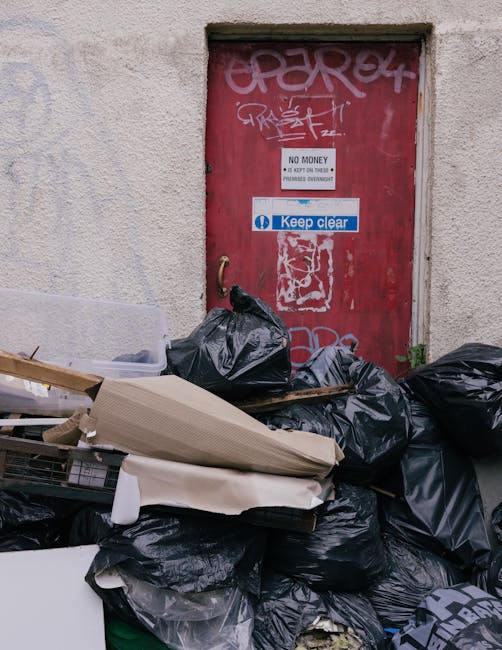
If you have ever booked a rubbish clearance and then felt a sting when the final bill landed, you are not alone. Hidden charges in Crystal Palace rubbish removal can turn a simple job into an awkward, expensive surprise, especially when the quote sounded perfectly fine at the start. The good news? Most of these costs are avoidable once you know what to look for, what to ask, and how a proper quote should be presented.
In Crystal Palace, where homes, flats, gardens, and small businesses all throw up different waste challenges, pricing can change fast. A sofa on a narrow top-floor landing is not the same as a tidy pile of bags at the kerb. That sounds obvious, but it is exactly where the extras creep in. This guide breaks down what hidden charges usually look like, how to compare quotes fairly, and how to choose a service without ending up irritated before the van has even left the street.
We will also cover practical checks, compliance points, and a few real-world examples so you can make a calm, informed decision. No fluff. Just the sort of detail you wish someone had told you before you booked.
Why Hidden charges in Crystal Palace rubbish removal what to know Matters
Hidden charges matter because rubbish removal is one of those services where the customer often cannot see the full job until the van arrives. A quote can look attractive online, but the final price may shift once the team sees stairs, parking pressure, awkward access, heavy items, mixed waste, or more volume than expected. To be fair, some of those changes are legitimate. The problem is when they are not explained clearly from the start.
That matters even more in Crystal Palace, where properties vary so much. You might be dealing with a Victorian terrace, a basement flat, a block with limited parking, or a busy road where loading takes longer than expected. One minute it is a quick collection. Next minute it is "extra labour", "access charge", "fuel surcharge", or a mysterious fee that nobody mentioned in the email. Bit annoying, really.
Understanding the pricing structure helps you judge whether a quote is fair rather than simply cheap. It also makes it easier to compare providers on the same basis. If one company includes loading, disposal, and travel in one figure while another adds them later, the cheaper headline price may not actually be cheaper at all.
There is another reason this topic matters: trust. A clear rubbish removal quote is usually a sign of an organised, transparent service. Messy pricing can be a warning sign that other things may be messy too, including communication, timing, or disposal practices. Nobody wants that headache on moving day or after a big declutter.
Expert summary: if the quote is not clear enough to explain exactly what is included, what is excluded, and what could change the price, you do not yet have a proper quote.
How Hidden charges in Crystal Palace rubbish removal what to know Works
Most rubbish removal pricing is built from a few moving parts: the amount of waste, the type of waste, how easy it is to collect, and what it costs to dispose of responsibly. Hidden charges usually appear when one of those parts is not made obvious at the quoting stage.
Here is the basic flow. You ask for a quote. The company gives an estimate based on your description, photos, or a site visit. Then, on collection day, the team reassesses the load. If the waste matches what was described, the price stays the same. If it does not, some companies revise the charge. That can be fair, provided the policy was explained up front.
The trouble starts when the "small print" is doing too much heavy lifting. For example, a company might advertise low collection prices but then add separate fees for:
- stairs or lack of lift access
- long carrying distances from property to vehicle
- parking restrictions or wait time
- extra weight, especially for soil, rubble, or wet garden waste
- special handling for appliances, mattresses, or certain bulky items
- same-day or out-of-hours collection
- minimum load charges
- mixed waste sorting
Some of those costs are normal in the trade. The issue is not that they exist. The issue is whether they are disclosed clearly, in plain English, before you commit.
A good provider should be able to tell you whether the quote is fixed, estimated, or subject to inspection. They should also say what evidence they need from you. In practice, a few clear photos, a rough item list, and honest access details go a long way. If you understate the load, you may get a price change. If the company under-explains the quote, you may get a surprise. Neither is ideal.
Key Benefits and Practical Advantages
Knowing how hidden charges work is not just about avoiding overpayment. It gives you leverage, clarity, and a much calmer booking process. You can ask better questions, compare providers more fairly, and spot vague language before it costs you.
One immediate benefit is budget control. If you are clearing a flat, garage, garden, or office, you probably have enough moving parts already. The last thing you need is a bill that jumps because a van could not park close enough, or because a sofa had to be carried down three flights of stairs. When you know what to check, you can plan for those possibilities in advance.
Another benefit is time. Clear pricing cuts down on back-and-forth messages. You send the photos, confirm access, get a clearer price, and move on. Simple. Well, simpler anyway.
There is also a practical benefit for landlords, letting agents, and business owners. If you manage multiple clearances, the savings from avoiding awkward extras can add up quickly. More importantly, it helps you keep records straight. A transparent invoice is easier to file, justify, and compare against previous jobs.
Finally, a better understanding of charges often leads to better service quality. Transparent companies tend to be more organised because they have thought through their pricing, loading process, and disposal route. That does not guarantee perfection, but it usually reduces chaos.
- You can compare quotes on a like-for-like basis.
- You are less likely to be pressured on the day.
- You can prepare access details that reduce extra labour.
- You are more likely to choose a provider that handles waste responsibly.
Who This Is For and When It Makes Sense
This guide is useful if you are clearing out almost anything in Crystal Palace and want to avoid paying more than you expected. That includes homeowners, tenants, landlords, shop owners, office managers, and anyone dealing with a one-off bulky waste job. It also helps if you are comparing several local providers and the prices seem oddly different for what looks like the same work.
It makes sense in a few common situations:
- Moving house: you need to empty cupboards, loft spaces, or leftover furniture fast.
- End of tenancy: you want a clean handover and no last-minute dispute over waste.
- Garden work: soil, branches, and bags of green waste can be heavier than they look.
- Renovation: builders' waste often carries different handling and disposal costs.
- Office clearance: desks, filing cabinets, and mixed items can create pricing complexity.
- Bulky item removal: fridges, wardrobes, and mattresses may trigger extra handling.
If you are the sort of person who likes to get three quotes and check the details properly, this article will probably save you a headache. If you are usually in a hurry, it may save you something more valuable: time wasted arguing over a bill after the job is done.
Truth be told, most people do not think about rubbish removal pricing until they need it urgently. Then they are trying to book around a school run, a delivery slot, or a leaking tap. That is exactly when hidden costs sting. A little prep now makes the whole thing feel much less messy.
For broader service information, it can help to look at the provider's services overview and see how different clearance jobs are described before you request a quote.
Step-by-Step Guidance
If you want to avoid surprise charges, the best approach is to treat the quote as a process, not a single number. Here is a practical way to do it.
- List everything that needs removing. Be specific. "Two wardrobes, one mattress, six black bags, and a broken desk" is far better than "a bit of junk".
- Take clear photos. Include wide shots and close-ups. Show the quantity, item size, and the route from the waste to the exit if access might be awkward.
- Explain access honestly. Mention stairs, no lift, shared entrances, narrow hallways, parking restrictions, or long carrying distances. That detail matters.
- Ask what the quote includes. Is loading included? Disposal? Labour? VAT, if applicable? Waiting time? The more specific the answer, the better.
- Ask what could change the price. A serious provider should be able to explain the triggers clearly. If they dodge the question, that is useful information too.
- Request the quote in writing. A written estimate or confirmation is easier to refer back to if anything shifts.
- Confirm the on-site inspection policy. Some jobs need a final check before collection. That is normal. It should still be handled transparently.
- Check for disposal transparency. Ask whether waste will be sorted, recycled where possible, and taken to an authorised facility.
- Prepare the waste before arrival. If you can, group items together and clear access. Less time on site often means fewer complications.
- Review the final invoice carefully. Make sure any extra line items were previously discussed and agreed.
That sequence sounds simple, but it prevents a lot of fuss. A quick example: if you say "garden waste" and the team arrives expecting light hedge cuttings but finds a heap of wet turf, soil, and broken fencing, the price may need adjustment. Fair enough. But if you described the job properly from the start, there should be no drama.
Expert Tips for Better Results
In our experience, the most reliable way to avoid hidden charges is to make the provider work from facts, not assumptions. A few sharp details up front can save you more than any discount code ever will. Let's face it, bargain hunting is useful, but clarity usually saves more.
Tip 1: Use photos plus a short item list. Photos are helpful, but words still matter. A picture of a pile of rubbish does not always reveal weight, access, or awkwardness. Combine both.
Tip 2: Mention the awkward stuff first. If there is no parking outside, say so first. If the waste is in a rear garden through the house, say so. If the item is a particularly heavy wardrobe, say that too. Do not hide the difficult bits; those are the bits that create surprises.
Tip 3: Ask for the pricing logic. You do not need a dissertation, just a clear explanation of how the price is built. Is it volume, weight, time, or a combination? Knowing that makes a comparison fairer.
Tip 4: Check whether the company has a minimum charge. Small clearances can still have a minimum fee. That is common. It is only a problem when you expect a tiny job and the real minimum was never disclosed.
Tip 5: Keep communication in writing. A text or email confirming the key details is a small thing, but it can prevent a lot of back-and-forth later.
Tip 6: Be careful with "too good to be true" prices. Cheap headline rates sometimes rely on extras. If one quote is dramatically lower than the others, ask yourself why. Are they excluding disposal? Parking? Labour? Something else?
Tip 7: Look beyond the price tag. A clear, punctual, polite service can be worth more than shaving off a few pounds if it prevents a row on the pavement at 8.30 in the morning.
One little human tip: if your collection is on a rainy London day, and the road is already tight with parked cars, expect the job to take longer. That does not mean you should accept random charges. It just means real-world conditions matter. They always do.
If you are comparing waste services, it may also help to read about local options such as rubbish collection in Crystal Palace and broader waste removal in Crystal Palace so you can understand how different jobs are usually priced and handled.

Common Mistakes to Avoid
Most billing disputes happen because of a few avoidable mistakes. None of them are dramatic on their own, but together they create the kind of confusion that makes a simple clearance feel like a minor argument.
- Being vague about the load. "General waste" is not enough if there are mattresses, rubble, or appliances involved.
- Ignoring access issues. A basement flat and a ground-floor flat are not the same job.
- Assuming all quotes are fixed. Some are estimates, not fixed prices.
- Not asking about disposal fees. Disposal and recycling costs can be a major part of the total.
- Forgetting about parking and waiting time. In busy parts of Crystal Palace, that can matter more than people expect.
- Choosing only on the lowest number. Cheap can become expensive very quickly if the final bill shifts.
- Not checking written confirmation. If you cannot point to the agreed terms, you have less room to challenge extras.
A surprisingly common one is this: people forget to mention that the waste is in the loft, shed, or back garden. Then the crew arrives, sees the job properly, and the price changes because access is harder than described. Not a scam every time. Sometimes just a misunderstanding. Still annoying, though.
Another mistake is assuming that all companies handle mixed waste the same way. Builders' rubble, old furniture, green waste, and electricals can all be treated differently. If your load is mixed, say so early and ask how that affects the estimate.
Tools, Resources and Recommendations
You do not need specialist tools to avoid hidden charges, but a few simple things make the process much easier.
- Phone camera: take wide and close-up photos in daylight if possible.
- Notes app: keep a short list of items, access details, and the agreed price.
- Tape measure: useful for large items, doorways, or furniture that looks smaller in photos than it really is.
- Timer or calendar reminder: helps if you are comparing quotes over a few days and do not want the details drifting.
- Email or text trail: the simplest way to keep a record of what was promised.
If you want to compare local services in more detail, the site's pricing and quotes page is a sensible place to understand how estimates are typically structured before you book. For jobs with heavier or messier material, the dedicated builders waste disposal in Crystal Palace and garden waste removal pages can also help you see how specialist loads may be approached differently.
If you care about how waste is handled after collection, it is worth reading the company's approach to recycling and sustainability. That will not tell you everything about pricing, but it does help you judge whether the service looks organised and responsible. And honestly, that matters.
Law, Compliance, Standards, or Best Practice
When rubbish is collected commercially, the main thing you want to know is whether it will be handled properly and taken to an appropriate facility. You do not need to become an expert in waste law to protect yourself, but it does help to know a few basics.
First, a legitimate provider should be able to explain how waste is managed and why certain items cost more to remove. That is part of normal best practice. Items like fridges, mattresses, rubble, plasterboard, and electrical goods can require different handling, separation, or disposal routes. That is one reason prices vary.
Second, be wary of anyone who seems vague about where the waste goes. In the UK, responsible disposal matters because waste has to be moved and processed properly. If a company cannot speak plainly about collection, sorting, and disposal, that is not a great sign. You do not need a lecture on legislation, but you do need confidence that the load will not simply vanish into a problem for someone else.
Third, a proper invoice or receipt is useful for your own records. This is especially true for landlords, offices, and anyone with more than one clearance a year. If there is a dispute later, paperwork helps.
It is also sensible to review basic business information pages, such as the company's terms and conditions, insurance and safety, and about us pages. Those pages should not be used as a substitute for a direct quote, but they do give you a feel for professionalism and accountability.
On the trust side, data handling matters too if you are sharing photos, address details, or payment information. The site's privacy policy and payment and security information are worth a quick look before you book. Small thing, maybe, but it gives peace of mind.
Options, Methods, or Comparison Table
Different clearance situations call for different approaches. The key is to match the method to the job, not just the price. Here is a simple comparison that can help you think it through.
| Option | Best for | What to watch for | Hidden charge risk |
|---|---|---|---|
| Fixed written quote | Clear, well-defined loads | Check what is included and what can change the price | Lower if details are fully disclosed |
| Estimate based on photos | Moderate jobs with decent visibility | Photos must show access and item size clearly | Medium if photos are incomplete |
| On-site inspection before booking | Large, awkward, or mixed loads | Good for tricky access and bulky waste | Lower, because the job is checked properly |
| Same-day urgent collection | Time-sensitive clearances | Convenience can cost more | Medium to high if urgency fees apply |
| Basic headline-price quote | Only if very clearly defined | Often excludes extras unless stated | Higher if the small print is thin |
If you are clearing a flat in SE19 with tight access, an inspection or detailed photo quote may be better than a quick ballpark number. If you are clearing a neat pile of bagged waste from a driveway, a fixed quote might be perfectly fine. The real question is not "which is cheapest?" but "which is clearest for this job?"
Case Study or Real-World Example
Picture a fairly ordinary Crystal Palace scenario. A resident in a first-floor flat wants to clear an old sofa, a coffee table, four bin bags, and some broken shelves before a weekend refresh. On paper, that sounds straightforward. But the flat is up two flights of stairs, parking is limited, and the sofa is heavier than it looked in the photos.
Provider A gives a very low headline price over the phone but is vague about labour and access. Provider B asks for photos, confirms the stairs, explains that the job includes loading and disposal, and warns that any major item mismatch would need reassessment. The second quote is slightly higher, but it is much clearer.
In the real world, that clarity often wins. Why? Because the first provider may still add charges once they arrive. The second provider has already explained the likely variables, so the job is less likely to become a surprise. You might pay a little more upfront, but you are buying certainty. That is usually the better deal.
Another common example is garden waste. A homeowner says they have "a few bags and some branches." The team arrives and finds bags of wet soil, old fencing, and a rotting shed panel. The price has to change because the load is heavier, bulkier, and more varied than described. That is not unusual. It only becomes a problem when the company has not made the pricing conditions clear from the outset.
So the lesson is simple enough. Honest descriptions create honest quotes. Everything else is guesswork with a prettier wrapper.
Practical Checklist
Use this checklist before you confirm any rubbish removal booking in Crystal Palace. It is quick, practical, and it saves faff.
- Have I listed every item to be removed?
- Have I sent clear photos of the waste and access route?
- Have I mentioned stairs, lifts, parking, and carrying distance?
- Do I know whether the price is fixed or estimated?
- Do I understand what is included in the quote?
- Have I asked what could cause extra charges?
- Do I know how mixed waste, heavy waste, or specialist items are priced?
- Have I requested written confirmation?
- Have I checked the provider's terms and policies?
- Am I comparing quotes on the same basis?
- Does the company explain recycling or disposal clearly?
- Am I comfortable with the final price before booking?
If you can tick most of those boxes, you are in a much stronger position. Not perfect, maybe. But a lot stronger.
Conclusion
Hidden charges in Crystal Palace rubbish removal are not inevitable. Most of the time, they appear when waste details, access issues, or disposal conditions are left too vague. The fix is straightforward: be specific, ask direct questions, get the quote in writing, and compare services on the same terms.
That approach protects your budget, your time, and your sanity. It also helps you spot the difference between a genuinely fair adjustment and a sneaky add-on. And once you have gone through the process properly once or twice, it becomes second nature.
If you are planning a clearance soon, use the checklist, review the pricing details carefully, and choose the option that feels clear rather than merely cheap. The calm choice is often the smart one. Honestly, your future self will probably thank you for it.
Get a free quote today and see how much you can save.
A tidy quote is one less thing to worry about, and sometimes that is worth more than the savings themselves.

Copyright © . House Clearance Crystal Palace. All Rights Reserved.